Frequently Asked Questions

Find answers to common questions about training in eastern martial arts with Quroki

We specialize in several traditional eastern disciplines including Karate, Kung Fu, Taekwondo, and Judo. Each style offers unique benefits and techniques. Karate focuses on striking techniques and kata forms, while Kung Fu emphasizes fluid movements and animal-inspired styles. Taekwondo is known for dynamic kicking techniques, and Judo concentrates on throws and grappling. During your initial consultation, we assess your goals, fitness level, and interests to recommend the most suitable discipline. Many students also choose to cross-train in multiple styles to develop a well-rounded skill set.

No previous experience is necessary. We welcome complete beginners and design programs specifically for those new to martial arts. Our structured curriculum starts with fundamental movements, proper breathing techniques, and basic stances before progressing to more complex techniques. Each session is tailored to your current ability level, ensuring you build skills safely and effectively. We've successfully trained hundreds of students who started with zero experience, from children aged 6 to adults in their 50s. The key is commitment and willingness to learn, not prior knowledge.

The timeline varies depending on the discipline, training frequency, and individual dedication. On average, students training 3-4 times weekly can expect to reach black belt level in 4-6 years. This timeframe reflects authentic traditional standards, not accelerated programs that compromise quality. The journey involves mastering techniques at each belt level, understanding philosophical principles, and demonstrating consistent skill improvement. We follow traditional grading systems with regular assessments every 3-4 months for colored belts. Remember, achieving a black belt is just the beginning of deeper study, not the end goal.

For your initial trial session, comfortable athletic clothing such as a t-shirt and tracksuit bottoms is perfectly acceptable. Training is conducted barefoot, so no special footwear is needed. Once you commit to regular training, you'll need a traditional gi (uniform) specific to your chosen discipline. We can advise on where to purchase quality uniforms at reasonable prices, typically ranging from £30-£60 for beginners. The gi should be white for most disciplines, though some styles permit colored uniforms at higher levels. We also recommend keeping a water bottle and small towel in your training bag.

Yes, we offer specialized programs for children from age 6 upwards. Youth sessions are structured differently from adult classes, incorporating age-appropriate techniques, shorter attention spans, and emphasis on discipline, respect, and confidence building. Classes for children aged 6-11 focus on coordination, basic techniques, and character development through martial arts principles. Teen sessions (12-17) introduce more advanced techniques and competitive elements. All children's classes maintain a 1:8 instructor-to-student ratio to ensure proper supervision and technique correction. Parents often report improvements in focus, self-discipline, and academic performance after several months of consistent training.

We recommend training 2-3 times weekly for steady progress while allowing adequate recovery time. This frequency enables muscle memory development and technique refinement without overtraining. Beginners often start with twice weekly sessions, gradually increasing as fitness improves and techniques become familiar. More frequent training (4-5 times weekly) suits those preparing for gradings or competitions. However, quality matters more than quantity - one focused session yields better results than multiple distracted ones. Each session lasts 60-90 minutes, providing sufficient time for warm-up, technique practice, and conditioning work.

Self-defense is an integral component of all our programs. While traditional forms and techniques form the foundation, we incorporate practical applications for real-world situations. You'll learn awareness strategies, de-escalation methods, and effective physical responses to common threats. Training includes scenario-based practice, reaction drills, and techniques adapted for street situations rather than sport competition. However, we emphasize that the best self-defense is avoiding confrontation through awareness and confidence, which naturally develops through consistent training. Most students find they carry themselves differently after several months, projecting confidence that deters potential aggressors.

We operate from our facility at 147 Richmond Road, London, E8 3FE. Regular sessions run Monday through Friday from 9:00 to 17:30, with Saturday sessions available from 10:00 to 14:00. We're closed Sundays. Within these hours, we offer multiple class times to accommodate different schedules, including early morning sessions (7:00-8:30), lunchtime classes (12:00-13:00), and evening slots (17:00-19:00). Private one-to-one sessions can be scheduled at times convenient for you. Contact us at +44 20 8192 7364 or [email protected] to discuss the schedule that best fits your availability.

Yes, private sessions provide the fastest route to skill development. One-to-one coaching allows complete customization of training content, pace, and focus areas. These sessions suit those with specific goals, irregular schedules, or preference for individual attention. We can concentrate on particular techniques, prepare for gradings or competitions, or address specific weaknesses in your form. Private sessions typically run 60 minutes and can be scheduled flexibly within our operating hours. Many students combine group classes for general training with occasional private sessions to accelerate progress in specific areas or prepare for important milestones.

When practiced under proper supervision with correct techniques, martial arts training is very safe. We maintain strict safety protocols including thorough warm-ups, progressive skill development, and appropriate protective equipment for sparring activities. Our training area features proper matting, and we enforce rules about jewelry removal and nail trimming. Beginners practice techniques at controlled speeds until form is correct before increasing intensity. Sparring only begins after students demonstrate adequate control and understanding of safety principles. We maintain comprehensive insurance coverage and hold current first aid certifications. Injury rates in properly supervised martial arts training are lower than many popular sports like football or rugby.

Absolutely. We encourage prospective students to attend a trial session before making any commitment. This allows you to experience the training environment, meet the instructor, and determine if the style suits your interests and goals. Trial sessions are conducted at no charge and last approximately 60 minutes. You'll participate in a typical class including warm-up, basic technique instruction, and practice drills. This hands-on experience provides much better insight than any description. After the trial, we'll discuss your impressions, answer questions, and explain membership options if you wish to continue. There's no pressure or obligation to join after your trial session.

You can start at any fitness level. Training is scaled to your current abilities and gradually increases in intensity as your conditioning improves. Many students begin with limited flexibility, strength, or cardiovascular endurance and develop these attributes through consistent practice. The warm-up and conditioning portions of each session contribute to overall fitness improvement. We modify exercises for those with physical limitations or injuries, ensuring safe participation while working toward recovery and strengthening. In fact, martial arts training often proves more sustainable than gym workouts because the skill development aspect maintains motivation beyond simple fitness goals. Most students notice significant fitness improvements within 6-8 weeks of regular training.

Competition preparation is available for students who wish to test their skills in tournaments. We participate in regional and national competitions throughout the year, with events in kata (forms), kumite (sparring), and weapons divisions depending on your discipline. Competition training involves specific preparation including tournament rules, scoring systems, strategy development, and mental preparation techniques. We typically recommend students reach intermediate level (green belt or equivalent) before entering competitions, though some junior events accept beginners. Competition is entirely optional - many students train purely for personal development, fitness, and self-defense without any interest in tournaments, which is equally valid.

Belt gradings assess your technical proficiency, knowledge, and readiness to progress to the next level. Examinations typically occur every 3-4 months for colored belts, with longer intervals between advanced grades. The grading evaluates multiple components: basic techniques (kihon), forms (kata), sparring ability (kumite), breaking techniques where applicable, and understanding of terminology and principles. We provide clear criteria for each belt level so you know exactly what's expected. Students receive feedback after gradings, highlighting strengths and areas needing improvement. Grading fees cover examination costs and new belt certificates. Preparation for gradings forms part of regular training, with specific focus sessions scheduled in the weeks before examinations.

There's no upper age limit for beginning martial arts training. We've successfully trained students who started in their 40s, 50s, and even 60s. The key is adapting training to individual capabilities and goals. Older beginners often progress differently than younger students but can achieve high levels of skill and understanding. Many find that martial arts provides excellent low-impact exercise that maintains flexibility, balance, and mental sharpness. We modify high-impact techniques as needed and emphasize proper form over speed or power. Some of our most dedicated and skilled practitioners began training later in life, bringing maturity, focus, and appreciation for the philosophical aspects that younger students sometimes overlook.

Initial equipment requirements are minimal. After your trial session, you'll need a proper gi (uniform) for your chosen discipline, costing approximately £30-£60 for quality beginner models. As you progress, additional items may include protective equipment for sparring: hand pads, shin guards, groin protection, and gum shield, totaling around £50-£80 for a complete set. Some disciplines require specific weapons for advanced training, which we'll discuss when you reach that level. We provide guidance on where to purchase quality equipment at fair prices and can sometimes arrange group orders for discounts. All basic training equipment like pads and targets are provided during sessions.

Getting started is straightforward. Contact us at +44 20 8192 7364 or email [email protected] to schedule your free trial session. We'll discuss your goals, any previous experience, and answer initial questions. You can also visit our location at 147 Richmond Road, London, E8 3FE during business hours (Monday-Friday 9:00-17:30, Saturday 10:00-14:00) to see the facility and meet the instructor. After your trial session, if you decide to continue, we'll complete a brief registration form, discuss membership options, and schedule your regular training times. Most new students begin training within a week of their initial contact. We look forward to starting you on your martial arts journey.

About Quroki

Founded in 2012, Quroki has established itself as a dedicated training center for martial arts enthusiasts across London. Our facility on Richmond Road serves students of all levels, from complete beginners to advanced practitioners seeking to refine their technique.
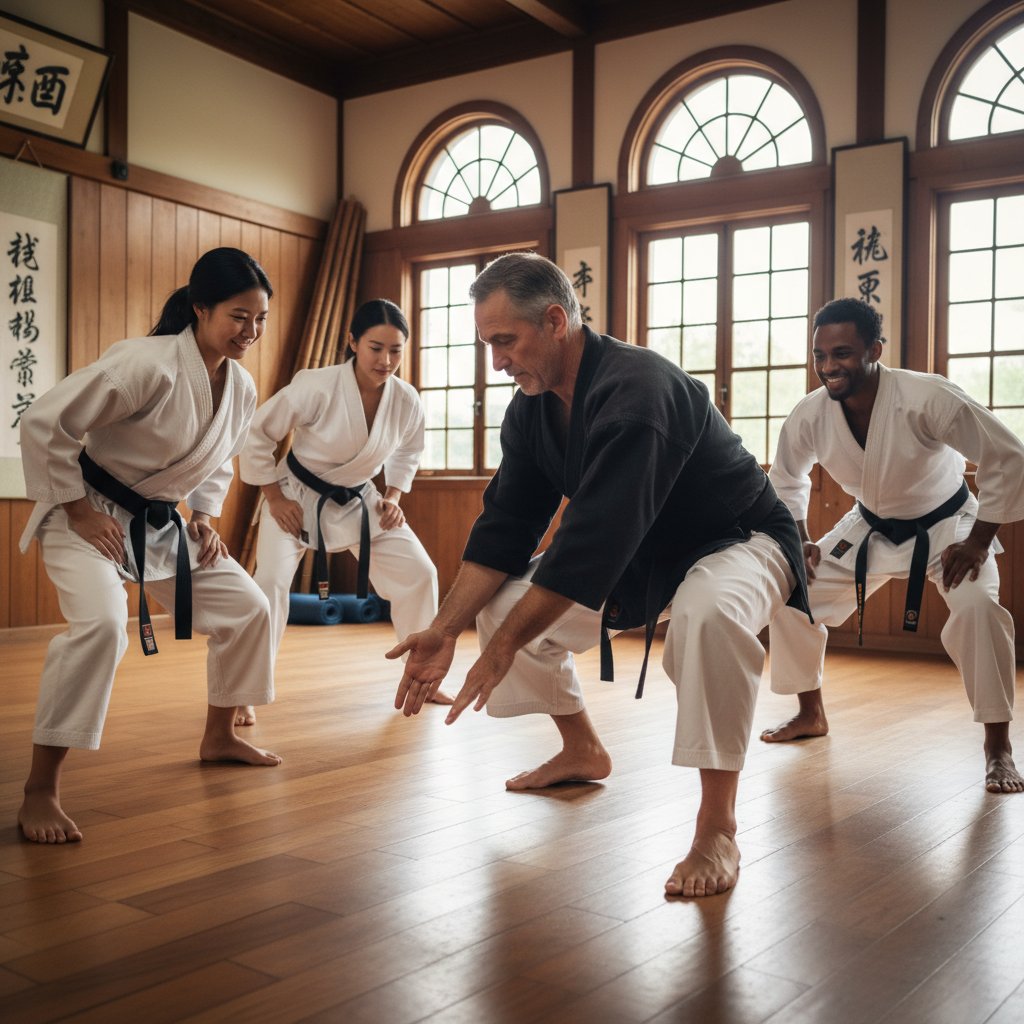
Martial arts training at Quroki

Our Foundation Story

What began as a small dojo with eight students has grown into a comprehensive training facility serving over 150 active members. The founder, Master Chen Wei, brought 23 years of experience in Kung Fu, Karate, and Taekwondo from Beijing to London, recognizing the need for authentic instruction rooted in traditional principles.

The first year focused exclusively on Kung Fu fundamentals. By 2014, we expanded to include Karate and Taekwondo programs. In 2017, we moved to our current 280-square-meter facility, equipped with proper training mats, equipment, and separate areas for different disciplines.

2012

Opened first location in Hackney with focus on Kung Fu instruction

2014

Added Karate and Taekwondo programs with certified instructors

2017

Relocated to expanded facility on Richmond Road

2020

Introduced online training sessions and hybrid learning options
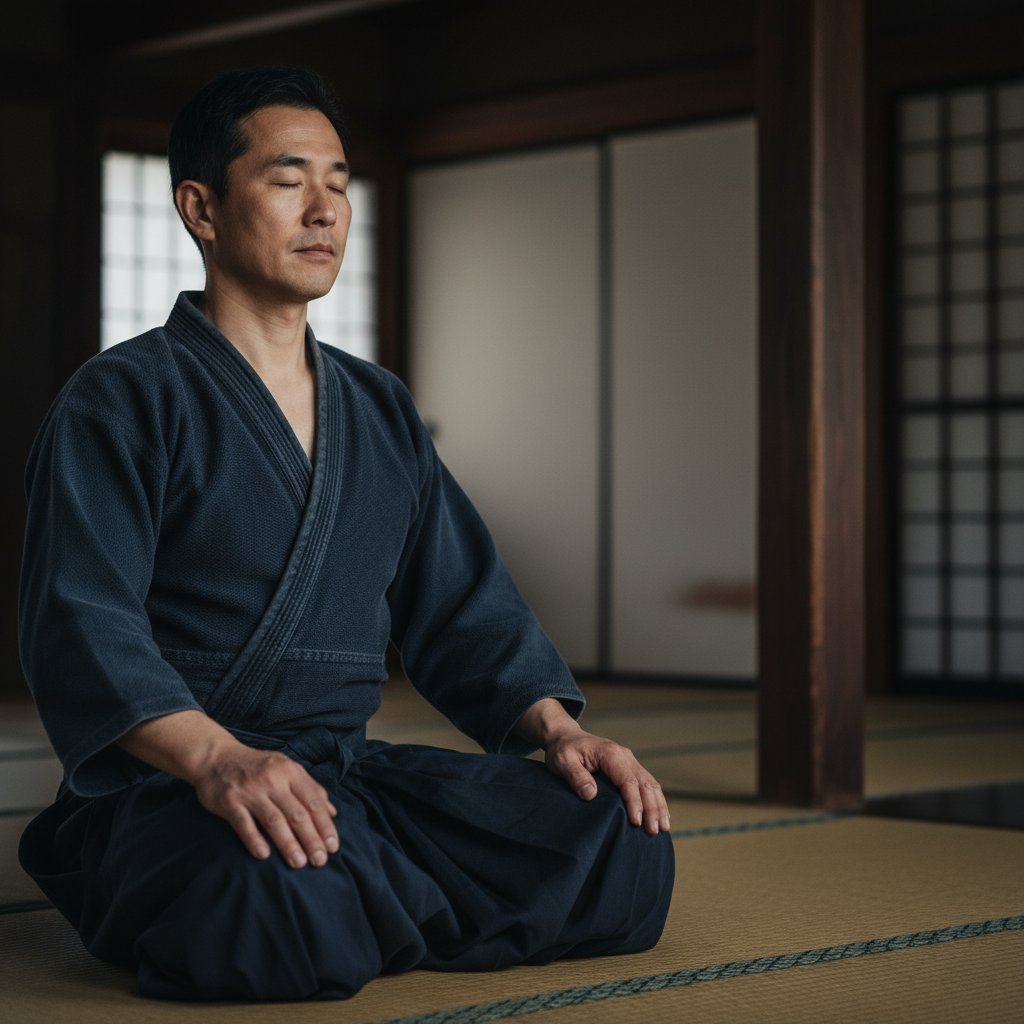
Martial arts instructor demonstrating technique

Mission and Vision

Our mission centers on providing structured instruction in traditional martial arts while adapting teaching methods to modern learning needs. We aim to make these disciplines accessible to London residents who want to develop physical fitness, mental discipline, and self-defense skills.

Looking ahead, we plan to establish partnerships with schools in Hackney and Tower Hamlets to introduce youth programs by 2025. We're also developing specialized classes for adults over 50, recognizing the health benefits these practices offer across all age groups.

Experience and Expertise

Our team includes four full-time instructors, each holding black belt certifications and teaching credentials from recognized international federations. Master Chen Wei holds 6th Dan in Kung Fu, while our Karate instructor Sarah Thompson competed at national level for 12 years before transitioning to teaching. Our Taekwondo program is led by James Park, who trained at the Kukkiwon in Seoul for five years.

We maintain affiliations with the British Kung Fu Association, English Karate Federation, and British Taekwondo Council. This ensures our curriculum meets current standards and our students can participate in sanctioned competitions if they choose.

Core Values

Authentic Instruction

We teach traditional forms and techniques as they were developed, without dilution or commercialization. Each movement has purpose and history.

Individual Progress

Students advance based on demonstrated skill mastery, not time served. We assess each person's development through practical application and understanding.

Respectful Environment

Our dojo maintains traditional etiquette while fostering supportive relationships. Senior students mentor newcomers, creating a community of mutual growth.

Continuous Learning

Our instructors regularly attend seminars and training sessions to refine their knowledge. We incorporate new teaching methods while preserving core principles.

12 Years Operating
150+ Active Students
4 Certified Instructors
280 Square Meters