Founded in 2012, Quroki has established itself as a dedicated training center for martial arts enthusiasts across London. Our facility on Richmond Road serves students of all levels, from complete beginners to advanced practitioners seeking to refine their technique.
What began as a small dojo with eight students has grown into a comprehensive training facility serving over 150 active members. The founder, Master Chen Wei, brought 23 years of experience in Kung Fu, Karate, and Taekwondo from Beijing to London, recognizing the need for authentic instruction rooted in traditional principles.
The first year focused exclusively on Kung Fu fundamentals. By 2014, we expanded to include Karate and Taekwondo programs. In 2017, we moved to our current 280-square-meter facility, equipped with proper training mats, equipment, and separate areas for different disciplines.
Opened first location in Hackney with focus on Kung Fu instruction
Added Karate and Taekwondo programs with certified instructors
Relocated to expanded facility on Richmond Road
Introduced online training sessions and hybrid learning options
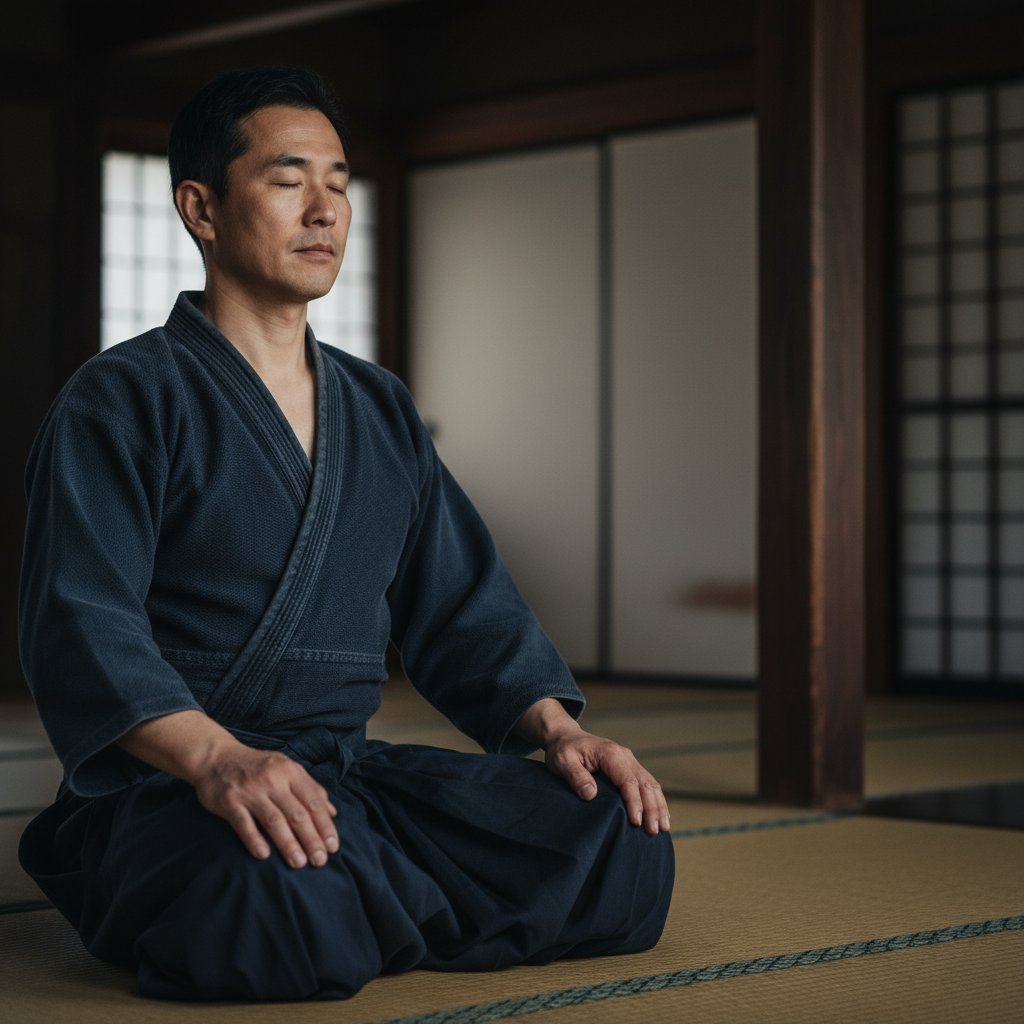
Our mission centers on providing structured instruction in traditional martial arts while adapting teaching methods to modern learning needs. We aim to make these disciplines accessible to London residents who want to develop physical fitness, mental discipline, and self-defense skills.
Looking ahead, we plan to establish partnerships with schools in Hackney and Tower Hamlets to introduce youth programs by 2025. We're also developing specialized classes for adults over 50, recognizing the health benefits these practices offer across all age groups.
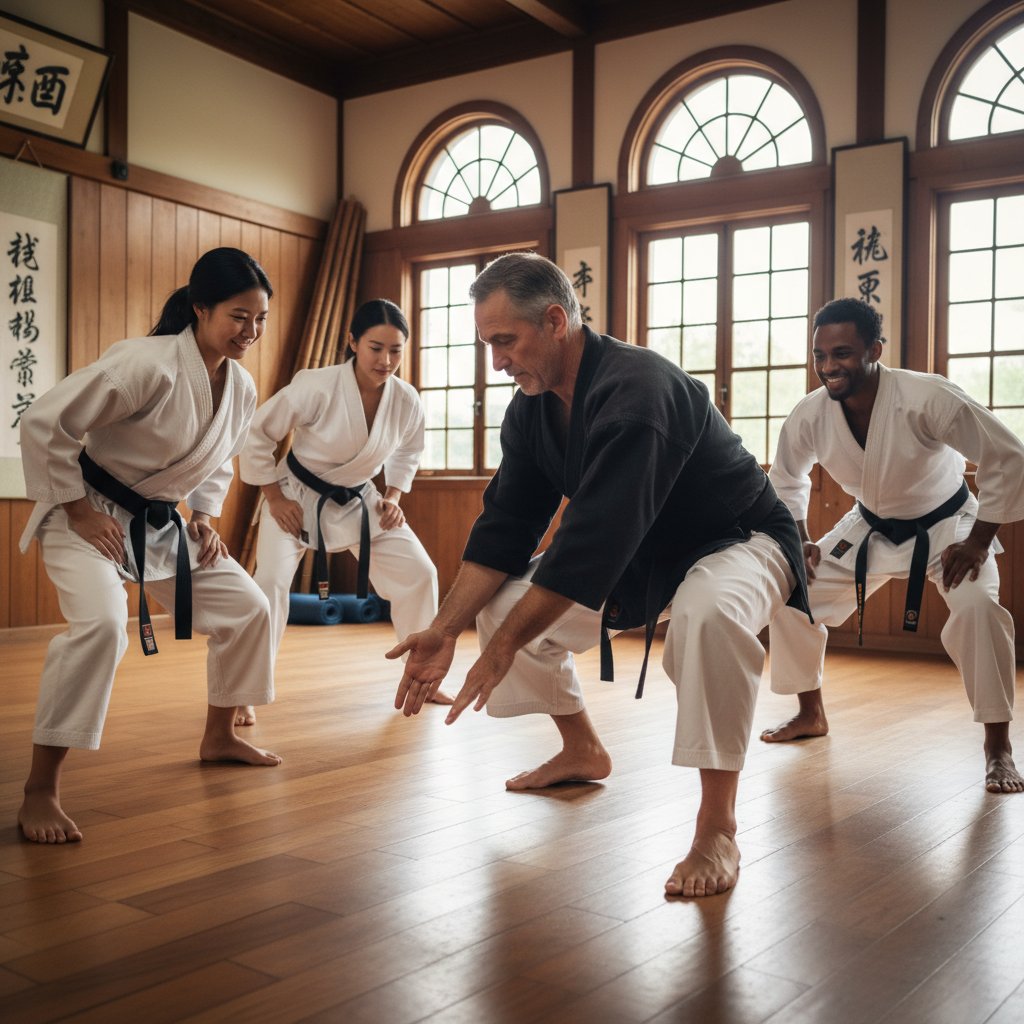
Our team includes four full-time instructors, each holding black belt certifications and teaching credentials from recognized international federations. Master Chen Wei holds 6th Dan in Kung Fu, while our Karate instructor Sarah Thompson competed at national level for 12 years before transitioning to teaching. Our Taekwondo program is led by James Park, who trained at the Kukkiwon in Seoul for five years.
We maintain affiliations with the British Kung Fu Association, English Karate Federation, and British Taekwondo Council. This ensures our curriculum meets current standards and our students can participate in sanctioned competitions if they choose.
We teach traditional forms and techniques as they were developed, without dilution or commercialization. Each movement has purpose and history.
Students advance based on demonstrated skill mastery, not time served. We assess each person's development through practical application and understanding.
Our dojo maintains traditional etiquette while fostering supportive relationships. Senior students mentor newcomers, creating a community of mutual growth.
Our instructors regularly attend seminars and training sessions to refine their knowledge. We incorporate new teaching methods while preserving core principles.
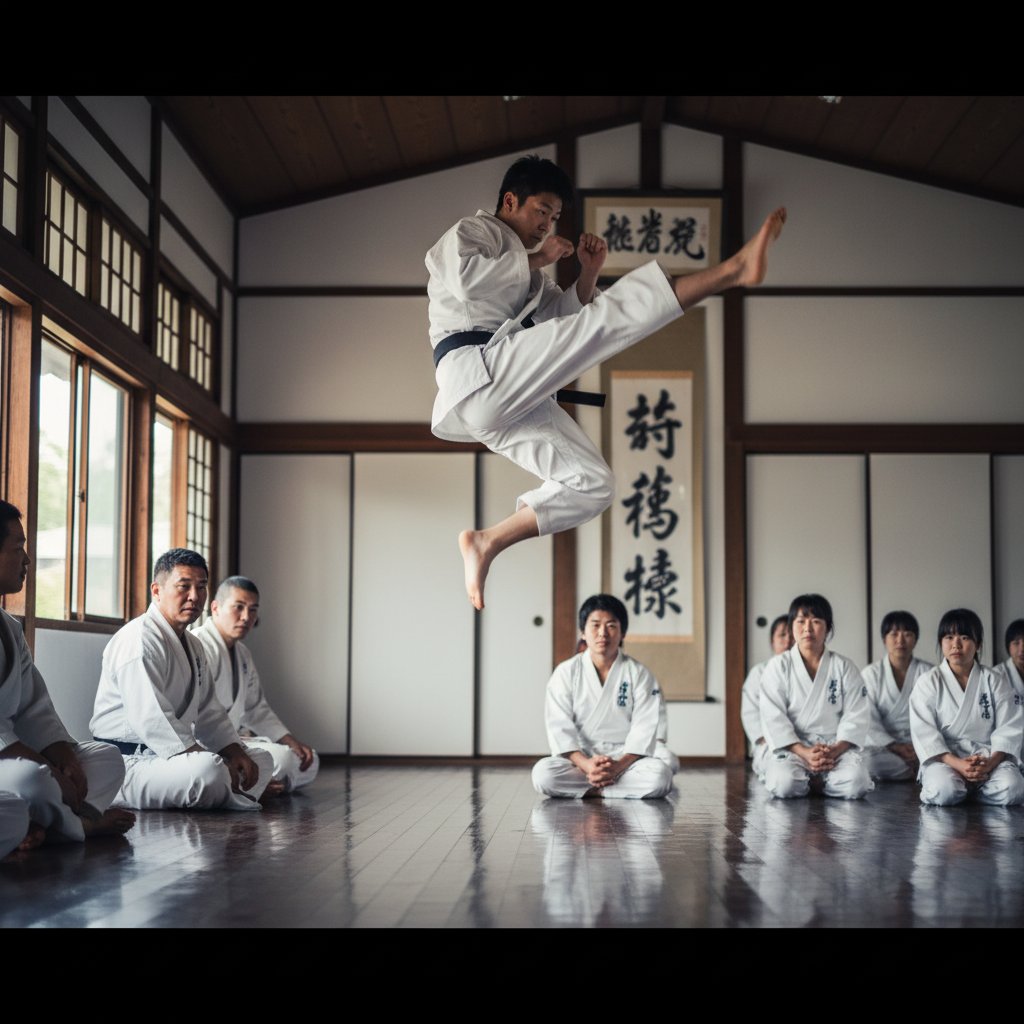
Each student brings unique goals and challenges. Here are examples of training programs I've developed, from beginners taking their first steps in martial arts to competitive athletes preparing for tournaments.
Structured 6-month program for adults with no prior experience. Focused on fundamental stances, basic strikes, and building confidence through progressive skill development. Students learned proper breathing techniques and body mechanics essential for safe practice.
View Details →
Intensive 12-week program preparing three students for regional kumite competition. Training included sparring drills, timing exercises, and mental preparation strategies. All participants placed in top positions at the Manchester Regional Championships.
View Details →
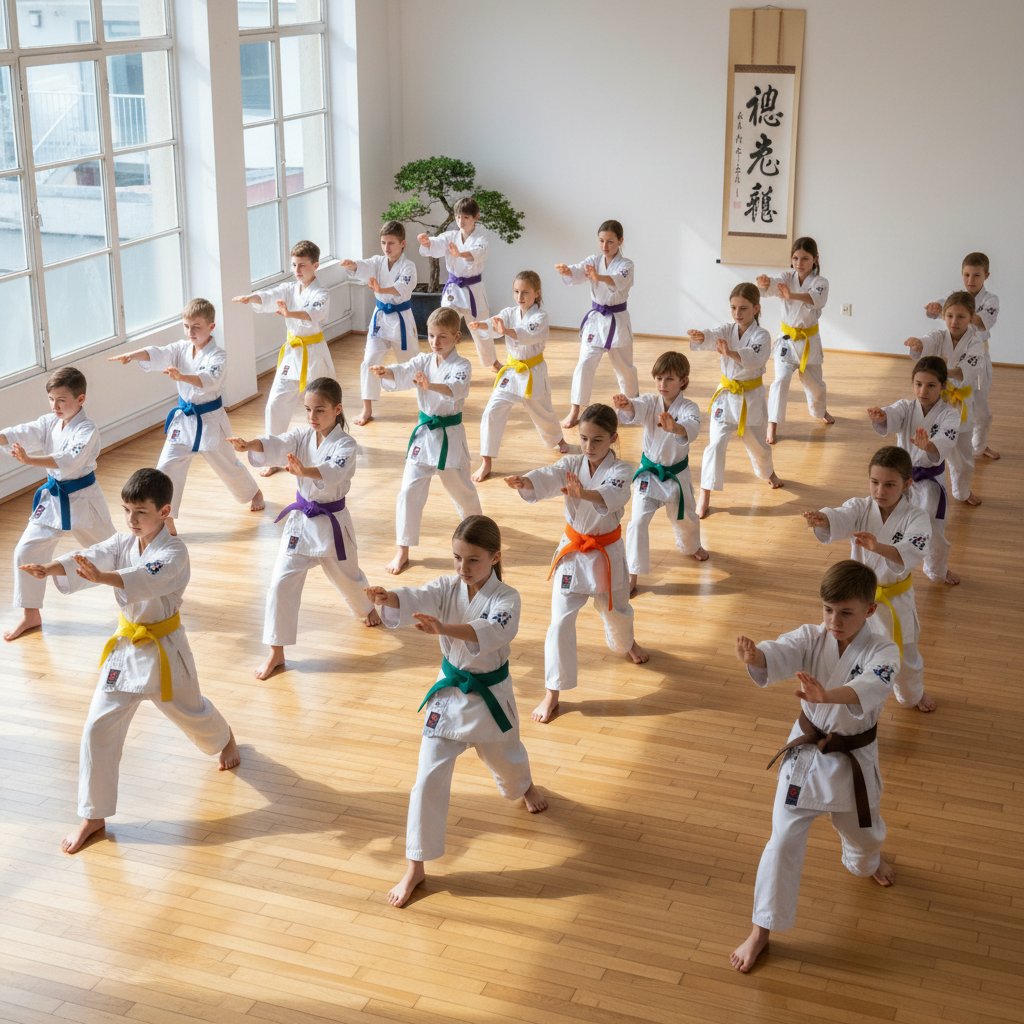
Weekly group sessions for children aged 8-14 focusing on discipline, respect, and physical fitness. Curriculum includes poomsae forms, kicking techniques, and age-appropriate self-defense skills. Classes maintain 12-student maximum for individual attention.
View Details →
8-week course teaching practical self-defense techniques drawn from multiple disciplines. Participants learned situational awareness, escape methods, and effective striking techniques. Program emphasized realistic scenarios and building reflexive responses under stress.
View Details →
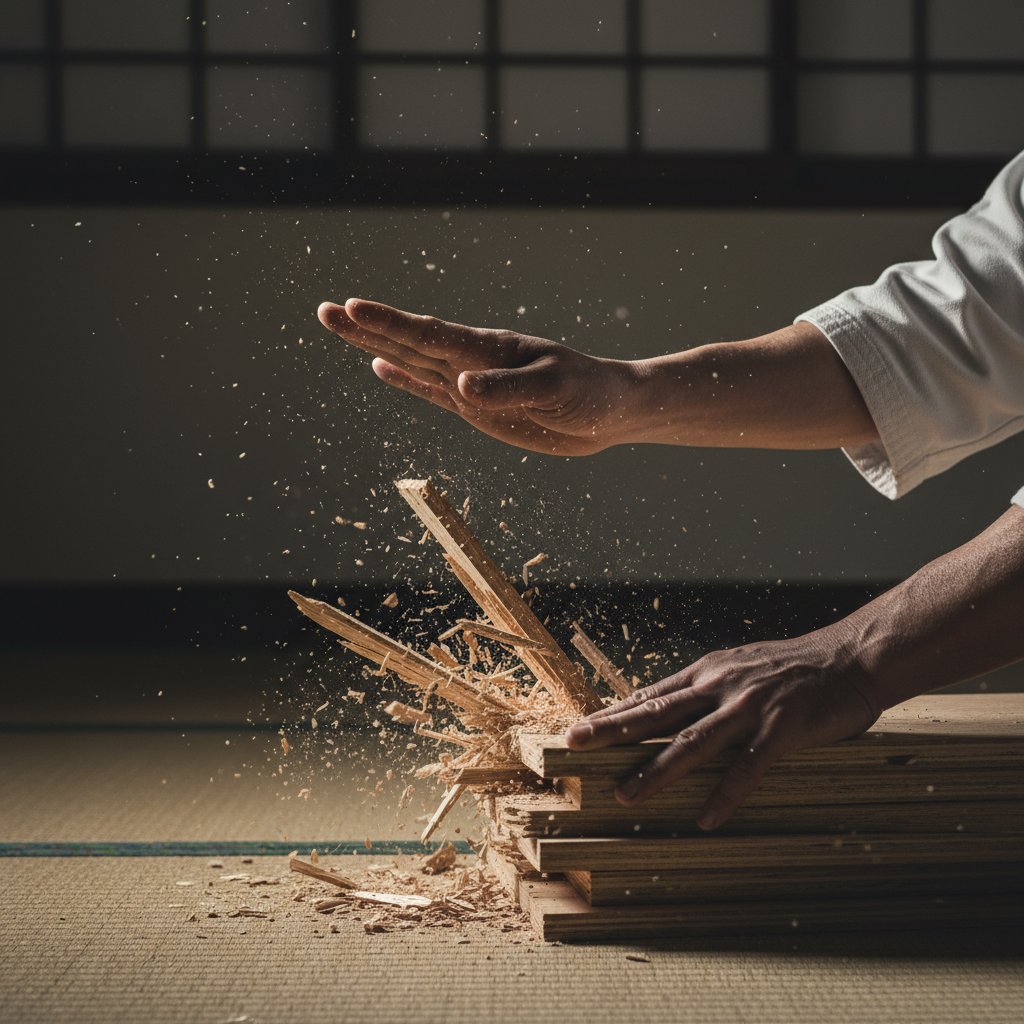
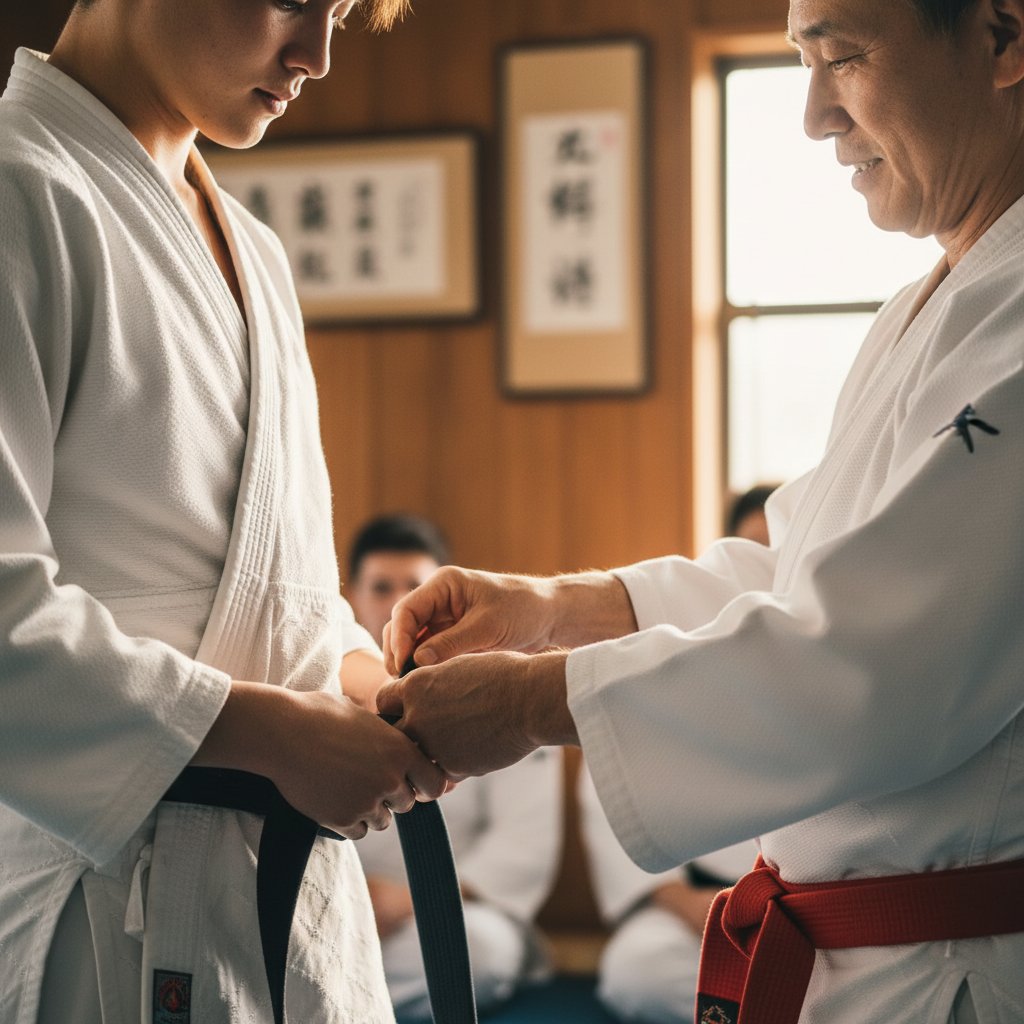
Comprehensive 4-month program preparing brown belt students for shodan examination. Training covered all required kata, kumite applications, and theoretical knowledge. Students practiced breaking techniques and demonstrated teaching ability as part of assessment requirements.
View Details →
Customized lunchtime sessions for office employees combining basic martial arts movements with stress reduction techniques. 45-minute classes included stretching, simple forms practice, and breathing exercises. Program improved participant flexibility and provided mental break from desk work.
View Details →Our training combines traditional techniques with modern coaching methods. Each session is structured to develop your skills systematically while respecting the philosophical foundations of martial arts.
Training led by instructors holding Dan ranks and international certifications from recognized federations. Our coaches have competed at national level and continue regular professional development through seminars and workshops across Europe.
Classes limited to 8-12 participants ensure individual attention during technique practice. This allows for proper correction of stances, strikes, and forms while maintaining the energy of group training.
Morning, afternoon, and evening sessions available throughout the week. Weekend workshops focus on specific techniques or sparring practice. Students can attend multiple classes per week based on their training goals and availability.
Structured progression through belt ranks with clear technical requirements at each level. Gradings held quarterly, assessed by senior instructors. Students receive detailed feedback on areas requiring improvement before attempting the next rank.
All contact training uses approved protective equipment including gloves, shin guards, and headgear. Sparring intensity is matched to student experience level. First aid trained staff present during all sessions, with comprehensive insurance coverage for participants.
Training hall equipped with 40mm tatami mats covering 150 square metres. Changing rooms with showers, equipment storage, and viewing area for parents. Climate controlled environment maintained year-round for comfortable training conditions.
Digital training logs record attendance, techniques covered, and personal milestones. Quarterly progress reviews with your instructor identify strengths and areas for development. Video analysis available for students preparing for gradings or competitions.
Each session includes strength and flexibility work specific to martial arts movements. Core stability exercises, plyometric drills, and stretching routines complement technical training. Conditioning programmes adapted for different age groups and fitness levels.
Optional competition training for students interested in testing their skills. Preparation includes rules education, tournament strategy, and mental preparation techniques. Coaches accompany students to regional and national events throughout the year.
Training includes the history and philosophy behind techniques. Students learn proper etiquette, Japanese or Korean terminology, and the principles that underpin effective martial arts practice. Regular discussions explore how these concepts apply beyond the training hall.
Beginners start with fundamental movements and gradually build intensity. Techniques can be modified for different physical capabilities while maintaining proper form. Many students begin with no prior experience and progress to advanced levels over time.
Training partners help each other develop through paired drills and controlled sparring. Senior students mentor newer members, creating a collaborative learning environment. Social events and seminars build connections beyond regular classes.
Six years of dedicated training in London, helping students master traditional martial arts disciplines through structured programmes and personalised instruction