Тренер по восточным единоборствам in 2024: what's changed and what works
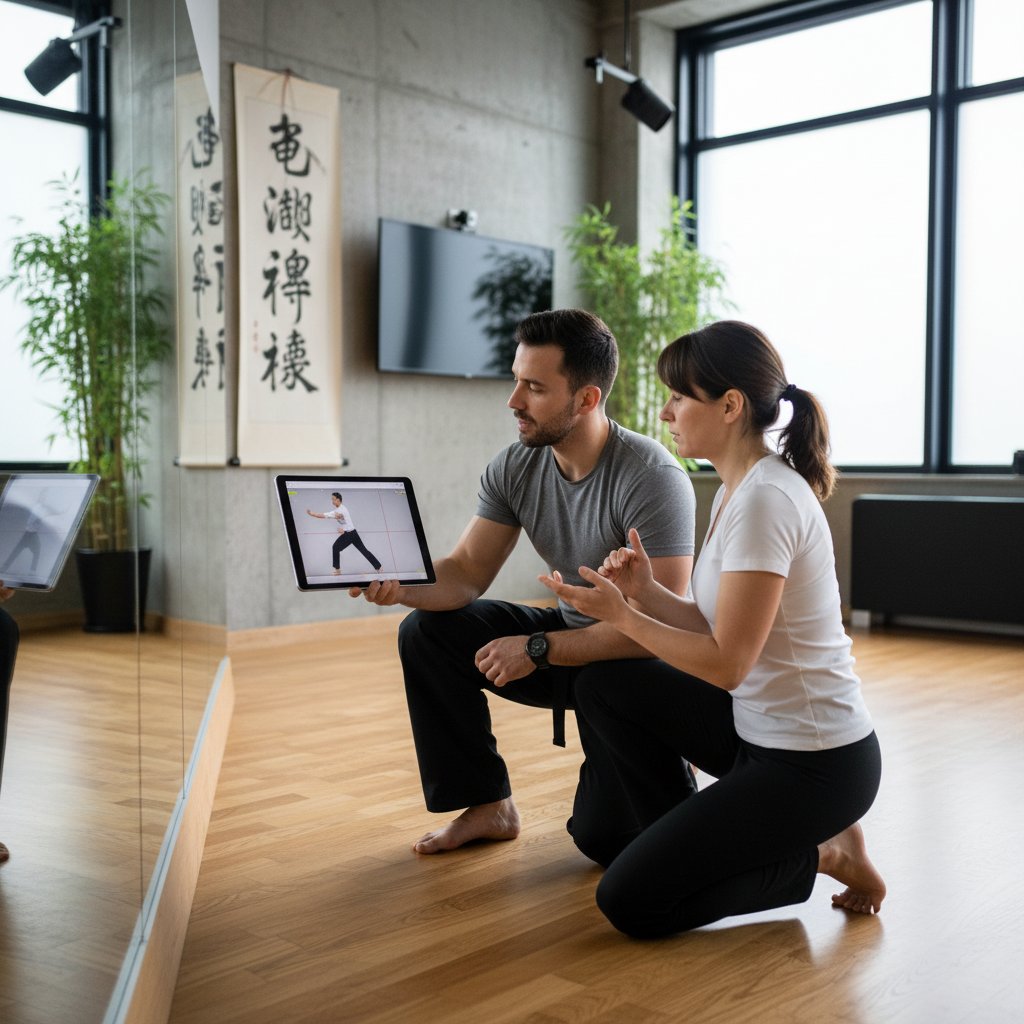
The martial arts coaching landscape has shifted dramatically over the past year. What worked in 2023 doesn't necessarily cut it anymore. Students expect more personalized training, they're tech-savvy enough to spot outdated methods, and the competition has gotten fierce. Here's what actually matters now if you're teaching karate, taekwondo, jiu-jitsu, or any other discipline from the East.
1. Hybrid Training Models Have Become the Standard
Gone are the days when you could run a successful dojo purely on in-person sessions. About 68% of martial arts schools now offer some combination of physical and digital training. This doesn't mean replacing the mat with Zoom calls—it means giving students flexibility they actually use.
Smart coaches are recording technique breakdowns for students to review between sessions. One taekwondo instructor in Portland saw retention rates jump from 71% to 89% after implementing a simple WhatsApp group where he posts 2-minute form corrections twice weekly. Students show up to class already knowing what they need to work on. The in-person time becomes infinitely more valuable because you're not repeating the same basic corrections.
2. Micro-Specialization Beats Being a Generalist
The coaches getting fully booked aren't the ones teaching "mixed martial arts for everyone." They're the jiu-jitsu instructor who specializes in training women over 40, or the kung fu teacher who focuses exclusively on improving mobility for desk workers. Narrow wins.
This shift reflects how students actually search for instruction now. They're not typing "martial arts near me" anymore—they're looking for solutions to specific problems. A 52-year-old with knee issues wants a coach who understands those limitations, not generic advice about proper stance. Position yourself as the answer to a particular need, and you'll charge 30-40% more than generalist instructors in your area.
3. Short-Form Video Content Drives Real Student Acquisition
Instagram Reels and TikTok aren't just for teenagers doing dances. Martial arts coaches who post 15-30 second technique snippets are seeing conversion rates that embarrass traditional advertising. We're talking about 1 in every 200 viewers actually reaching out, compared to maybe 1 in 2,000 from Facebook ads.
The content that performs best? Behind-the-scenes moments showing real students progressing, common mistake corrections, and those oddly satisfying slow-motion breakdowns of complex movements. One muay thai coach in Austin gained 47 new students in three months by posting nothing but "why your roundhouse kick feels weak" style videos. Each clip took under 10 minutes to film and edit. The ROI absolutely destroys paying for Google ads.
4. Pricing Transparency Has Become Non-Negotiable
Hiding your rates behind "contact us for pricing" kills conversions faster than anything else in 2024. Students want to know what they're getting into before they walk through your door. Schools that list clear pricing on their websites convert at roughly 3x the rate of those playing coy.
This doesn't mean you can't have premium offerings. It means being upfront about what $150/month gets versus $300/month. Break down the differences. Private coaching, competition prep, access to open mat times—spell it out. The coaches making six figures aren't necessarily cheaper; they're just clearer about value.
5. Community Building Outperforms Pure Technical Excellence
Here's an uncomfortable truth: the best technical martial artist doesn't always run the most successful school. Students stick around because they've made friends, because training fits into their identity, because they feel part of something bigger than perfecting their side kick.
Successful coaches now organize monthly social events outside the dojo. BBQs, hiking trips, volunteer days—anything that builds relationships beyond punching and kicking. One judo instructor in Denver retention-tested this and found students who attended at least one social event per quarter were 4.2x more likely to renew their annual membership. People don't quit on their friends as easily as they quit on fitness goals.
6. Recovery and Longevity Have Entered the Curriculum
Students aren't just asking "how do I get better at this technique?" anymore. They're asking "how do I keep training for the next 20 years without destroying my body?" Smart coaches have adapted by integrating mobility work, breathwork, and recovery protocols directly into their teaching.
This matters especially for adult students who came to martial arts later in life. They've seen enough gym bros burn out by 35. Dedicating the first 10 minutes of each class to proper warmup and mobility—and actually explaining why—positions you as someone who cares about their long-term development. It's also a massive differentiator when everyone else is still doing jumping jacks from 1987.
The martial arts coaching world rewards adaptability now more than ever. The instructors thriving aren't necessarily the ones with the most black belts on their wall—they're the ones who understand that teaching has evolved. Students want expertise, sure, but they also want coaches who meet them where they actually are: time-crunched, information-saturated, and looking for genuine connection alongside technical skill.